Liga de Alumínio 7075: Seleção de Material Essencial para Peças Estruturais de Alta Resistência e Controle de Qualidade Espectrométrico
Na fabricação moderna de alta tecnologia, a relação resistência-peso é um indicador crítico que determina o desempenho do produto. Como representante clássico das ligas de alumínio superduras da série 7000,Liga de alumínio 7075(Al-Zn-Mg-Cu) oferece resistência mecânica comparável à do aço estrutural, mantendo a baixa densidade inerente do alumínio. Consequentemente, tornou-se uma escolha primária de material para aplicações aeroespaciais, equipamentos especiais avançados e componentes estruturais mecânicos submetidos a altas tensões.
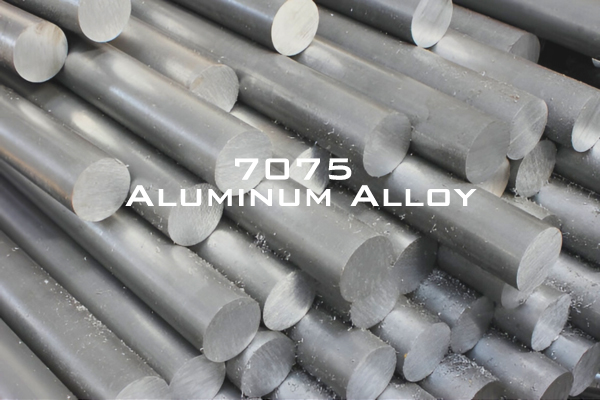
1. Microcomposição e propriedades físicas/químicas da liga de alumínio 7075
O desempenho excepcional da liga de alumínio 7075provém de sua proporção elementar precisa (em conformidade com as normas GB/T 3190 / ASTM B209):
Zinco (Zn: 5,1%–6,1%) + Magnésio (Mg: 2,1%–2,9%): A combinação central de endurecimento. Esses elementos precipitam uniformemente na matriz de alumínio para formar uma fase de reforço de alta densidade MgZn2. Isso aumenta significativamente a resistência ao escoamento e à tração, conferindo à liga 7075 suas características superduras. Manter essa faixa estreita de porcentagem evita deficiências de resistência e riscos de corrosão sob tensão.
Cobre (Cu: 1,2%–2,0%): Um elemento secundário essencial de reforço que aumenta ainda mais a densidade da liga, a resistência à tração e a dureza para aplicações de alta carga. Entretanto, um maior teor de cobre reduz ligeiramente a soldabilidade e a resistência à corrosão sob tensão, razão pela qual variantes de 7075 com alto teor de cobre raramente são usadas em conjuntos soldados.
Cromo (Cr: 0,18%–0,28%): Um elemento dedicado ao refinamento de grãos que suprime a recristalização dos grãos durante o tratamento térmico. Ele otimiza a microestrutura interna, reduz significativamente a suscetibilidade à trinca por corrosão sob tensão (SCC) e melhora a estabilidade estrutural sob condições operacionais complexas.
Controle de impurezas (Si ≤ 0,4%, Fe ≤ 0,5%): Limites rigorosos de silício e ferro evitam a segregação de impurezas, que causa degradação do desempenho mecânico e reduz a vida útil à fadiga. O controle de impurezas é um indicador essencial de conformidade para a liga 7075 de grau aeroespacial.
Desempenho mecânico em diferentes estados típicos de tratamento térmico
As propriedades mecânicas, a conformabilidade e a resistência à corrosão da liga de alumínio 7075 dependem fortemente do processamento térmico. Diferentes estados atendem a demandas distintas de engenharia, servindo como uma base essencial para seleção de materiais e controle de qualidade:
7075-O (Recozida): Oferece máxima ductilidade e conformabilidade a frio sem tensões de encruamento. É ideal para dobras complexas, estampagem e deformação a frio. Entretanto, deve passar por tratamento térmico de solubilização e envelhecimento artificial após a conformação para recuperar suas características de alta resistência e não pode ser usada diretamente em estruturas de suporte de carga.
7075-T6 (Tratada termicamente por solubilização e envelhecida artificialmente): O padrão industrial para alta resistência. A resistência à tração alcança 570 MPa ou mais, com valores máximos de dureza e resistência ao escoamento, além de excelente estabilidade de usinagem. É amplamente utilizada em aplicações aeroespaciais e componentes estruturais estáticos de alta carga, sendo o estado mais comum no mercado.
7075-T73 (Superenvelhecida): Obtida por meio de processos prolongados de envelhecimento, sacrificando 10%–15% da resistência máxima em troca de uma melhoria significativa na tenacidade à fratura e na resistência à trinca por corrosão sob tensão (SCC). Previne efetivamente falhas por trincas em ambientes de alta tensão, úmidos ou corrosivos, adaptando-se bem a aplicações marítimas e externas.
2. Principais áreas de aplicação da liga de alumínio 7075
Com um perfil mecânico abrangente caracterizado por alta resistência, leveza, resistência à fadiga e alta estabilidade, a liga de alumínio 7075 se destaca em relação a ligas comuns como 6061 e 6063. Ela atende setores de fabricação essenciais, de alta carga e alta precisão:
2.1. Componentes estruturais aeroespaciais
Como o principal alumínio superduro de grau aeroespacial, a liga 7075 é usada em peças críticas de suporte de carga, como longarinas superiores das asas de aeronaves comerciais, estruturas principais da fuselagem, conjuntos de suporte do trem de pouso e fixadores de cabine de alta resistência. Ela reduz o peso estrutural enquanto garante alta capacidade de carga e resistência à fadiga durante o voo.
2.2. Equipamentos avançados de lançamento espacial e defesa
Atendendo às exigências de alta tensão, confiabilidade extrema e projeto leve, a liga 7075 é amplamente utilizada em carcaças de veículos de lançamento espacial, suportes estruturais de espaçonaves, componentes estruturais de aeronaves de alta altitude e longa autonomia (HALE) e equipamentos industriais pesados de defesa, equilibrando redução de peso estrutural com estabilidade em condições extremas.
2.3. Ferramentas de alta precisão e fabricação de moldes
Substitui o aço convencional em moldes de injeção de alta precisão, moldes de sopro e ferramentas auxiliares de fundição sob pressão. Graças à excelente condutividade térmica, baixas taxas de distorção e excelente usinabilidade, reduz os tempos de ciclo de moldagem, melhora a precisão dimensional e diminui o peso dos moldes e os custos de processamento na produção em massa.
3. Controle de qualidade de entrada (IQC): soluções de análise espectrométrica
Como a proporção dos elementos da liga de alumínio 7075 determina diretamente sua vida útil à fadiga e seu comportamento à corrosão — e como sua composição química se sobrepõe à de ligas semelhantes, como 7050 e 7020 — a análise quantitativa precisa dos elementos por espectrometria durante o IQC e a fabricação é essencial para manter a conformidade de qualidade na engenharia aeroespacial e de precisão.
3.1. Espectrometria de Emissão Óptica (OES) — O padrão-ouro de laboratório
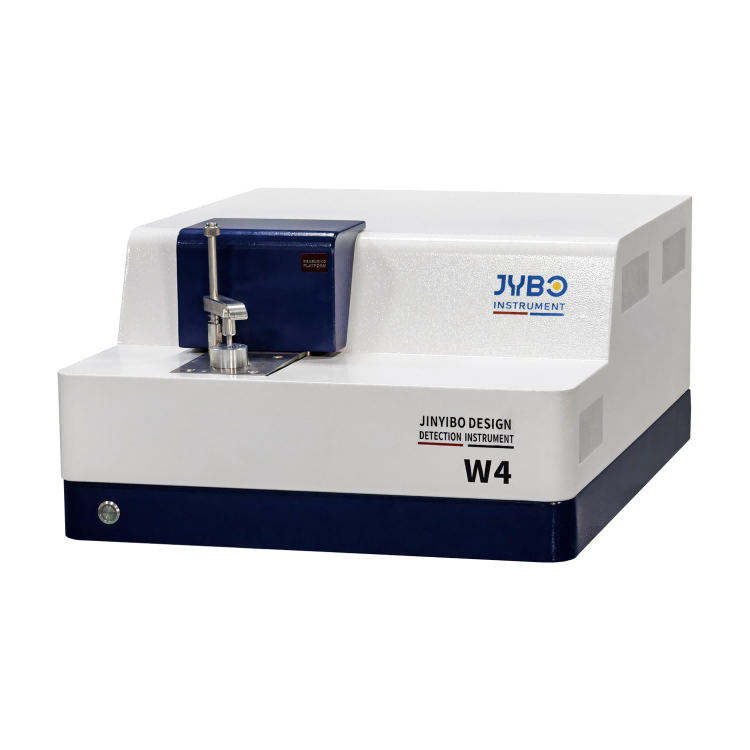
Como método obrigatório de inspeção para materiais aeroespaciais de alta qualidade, OES utiliza arco/faíscadescarga para excitar a superfície da amostra, fornecendo análise quantitativa em nível de ppm de todos os elementos constituintes (Zn,Mg,Cu,Cr,Si,Fe). Ele distingue de forma confiável o 7075 de ligas de graus semelhantes (como 7050 ou 7020), eliminando misturas de graus e composições fora de especificação, ao mesmo tempo em que fornece dados de teste rastreáveis para auditorias de conformidade.
3.2. Espectroscopia de Ruptura Induzida por Laser (LIBS) Portátil — Identificação Rápida de Materiais no Local
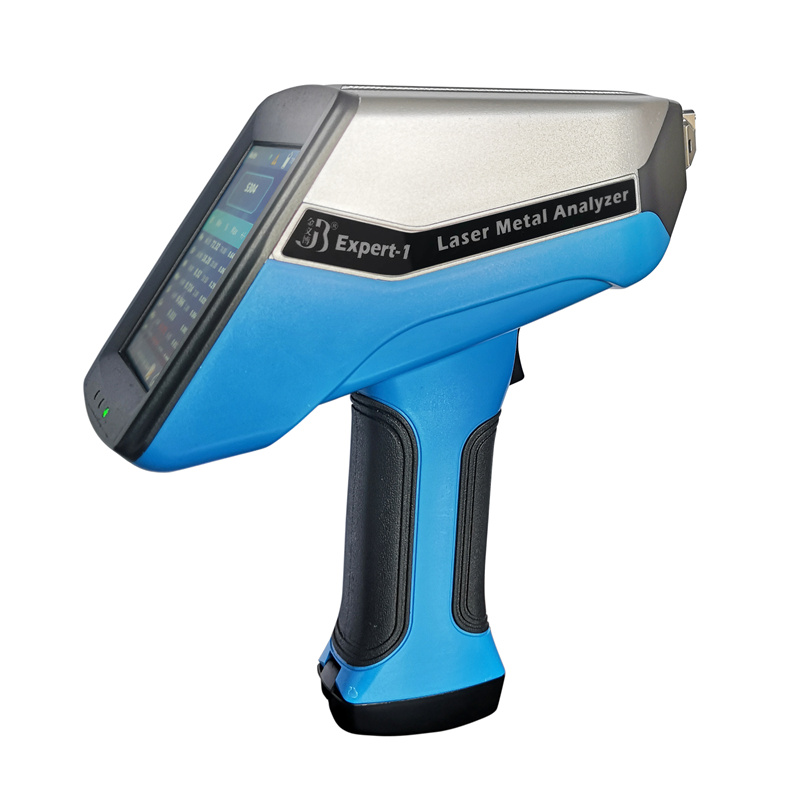
Projetada para controle de qualidade no chão de fábrica e em armazéns, a LIBS se destaca pela alta sensibilidade a elementos leves como Mg e Al. Ela pode verificar com precisão a faixa estreita de magnésio de 2,1%-2,9% do alumínio 7075 em segundos, identificando no local misturas de matérias-primas e desvios de composição para alcançar 100% de Identificação Positiva de Materiais (PMI) cobertura.
3.3. Fluorescência de Raios X (XRF) Portátil — Classificação de Sucata e Materiais em Lote
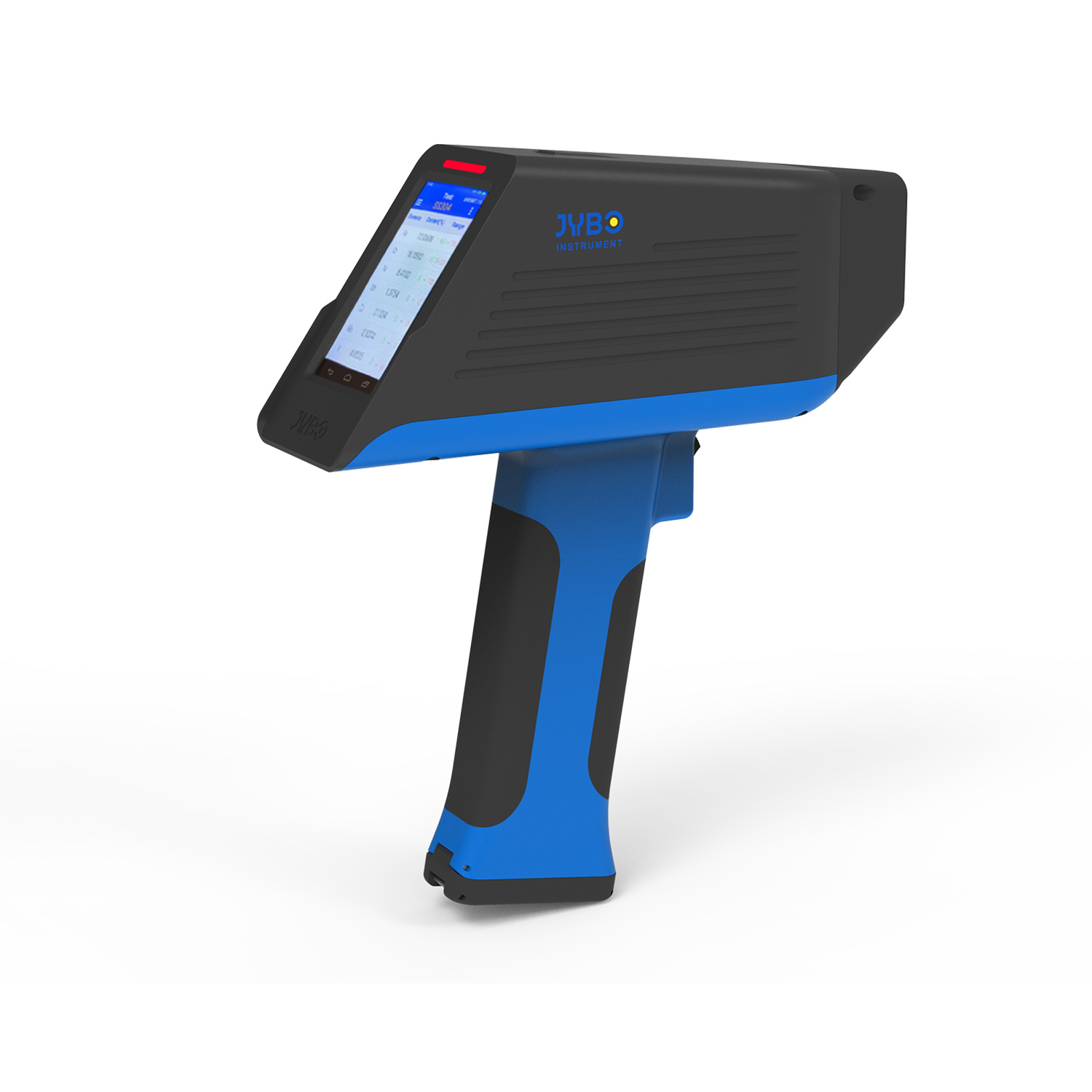
Como um método de ensaio não destrutivo que não requer lixamento da superfície, a XRF fornece respostas ultrarrápidas para elementos metálicos pesados como Zn e Cu. Ela determina se um material pertence à família de alumínios superduros da série 7000 em segundos, tornando-se ideal para classificação de matérias-primas em alto volume, reciclagem de sucata e verificação preliminar de grau.
3.4. Diretrizes Principais para Garantia Completa da Qualidade do 7075
A análise espectrométrica avalia a conformidade da composição química, mas não pode avaliar o estado do tratamento térmico ou as propriedades mecânicas. Portanto, um fluxo de trabalho abrangente de garantia da qualidade do 7075 deve seguir uma regra dupla: Conformidade Elementar + Verificação Mecânica.
Após a composição química ser verificada por espectrometria em relação às normas GB/T 3190 ou ASTM B209 , os operadores devem utilizar testadores de dureza Leeb, Brinell ou Rockwell, ou Máquinas Universais de Ensaio de Tração, para verificar métricas mecânicas (resistência, dureza, tenacidade). Isso garante que os estados T6, T73 ou O atendam às especificações operacionais e impede que materiais tratados termicamente fora de especificação entrem na linha de produção.
Resumo
Por meio de proporções precisas de liga e características controláveis de tratamento térmico, a liga de alumínio 7075 permanece um material indispensável para estruturas de alta resistência e baixo peso na fabricação avançada. A integração de uma estrutura de controle de qualidade espectrométrico em múltiplos níveis (OES + LIBS + XRF) abrange a inspeção de entrada, a triagem no chão de fábrica e a classificação em massa, protegendo a pureza da liga, a conformidade elementar e a consistência das propriedades em todas as etapas da produção.
Perguntas Frequentes
P1: Dada a grande sobreposição química durante a Identificação Positiva de Materiais (PMI), como o 7075 pode ser distinguido com precisão de outras ligas de alumínio superduro da série 7000, como 7050 e 7020?
R: Embora todas as ligas de alumínio da série 7000 utilizem zinco (Zn) como principal elemento de liga, existem diferenças críticas em seus aditivos de microliga e na química central de endurecimento:
Variações dos Elementos Principais: O 7075 contém maiores teores de cobre (Cu:1,2%-2,0%) e magnésio (Mg:2,1%-2,9%). Em contraste, o 7020 apresenta teor extremamente baixo de cobre (normalmente Cu≤0,10%), depende quase exclusivamente do sistema Zn-Mg para endurecimento por precipitação e praticamente não contém Cr ou Zr. O 7050 apresenta níveis significativamente mais altos de zircônio (Zr:0,08%-0,15%) e cobre (Cu:2,0%-2,6%) em comparação com o 7075.
Refinadores de Grão (Cr vs. Zr): O 7075 utiliza cromo (Cr:0,18%-0,28%) para suprimir a recristalização. Em contraste, o 7050 substitui o cromo por zircônio (Zr) para obter superior sensibilidade à têmpera e tenacidade à fratura em placas de grande espessura — tornando a relação Cr/Zr o principal marcador para identificação PMI no chão de fábrica.
Estratégia de Inspeção: Ao operar analisadores XRF ou LIBS portáteis, concentre-se nos picos espectrais característicos de Cr/Zr juntamente com as faixas quantitativas de concentração de Cu. Observe que dispositivos portáteis podem ter sensibilidade limitada para baixas concentrações de Zr, e as leituras de elementos leves (Mg) frequentemente apresentam faixas limítrofes ambíguas. Para aplicações críticas, a análise quantitativa de alta precisão em nível de ppm por Espectrometria de Emissão Óptica por Faísca (OES) é obrigatória para eliminar riscos de mistura de graus.
P2: Por que os engenheiros estruturais frequentemente preferem o tratamento 7075-T73 ao 7075-T6 para componentes complexos, apesar de o T6 oferecer resistência à tração superior?
R: Essa preferência representa um compromisso clássico de engenharia entre a resistência à Corrosão sob Tensão (SCC) e a tenacidade à fratura:
Limitações do tratamento T6: O 7075-T6 é um tratamento envelhecido no pico que proporciona resistências à tração finais superiores a 570 MPa. No entanto, seus contornos de grão apresentam redes contínuas de precipitados de MgZn2. Sob cargas de tração sustentadas combinadas com ambientes úmidos, marinhos ou ricos em cloretos, essa estrutura apresenta alta suscetibilidade à SCC e severa sensibilidade a entalhes, com risco de falha frágil catastrófica repentina. (O T6 continua adequado para ambientes secos sem tensão de tração sustentada.)
Vantagens do tratamento T73: O tratamento T73 utiliza um tratamento térmico de superenvelhecimento em duas etapas que engrossa os precipitados nos contornos de grão e os torna descontínuos. Isso interrompe o caminho eletroquímico da corrosão ao longo dos contornos de grão, aumentando drasticamente a resistência à SCC enquanto melhora simultaneamente a tenacidade à fratura.
Critérios de seleção de engenharia: Embora o tratamento T73 sacrifique aproximadamente 10%-15% da resistência à tração máxima, ele fornece margens de segurança cruciais e prolonga a vida útil à fadiga estrutural em condições operacionais de alta tensão e corrosivas (como componentes estruturais primários aeroespaciais e equipamentos marítimos). Consequentemente, o T73 é frequentemente especificado como o tratamento padrão obrigatório para ambientes propensos à corrosão.
Entre em contato conosco para mais informações ou informações detalhadas!
Tel:+86-183-5283 6805
Email:sales@jinyibo.com
Web:www.jinyibo.com